Società Italiana di Biofisica e Biologia Molecolare
SIBBM 2026 • Frontiers in Molecular Biology
Molecular Mechanisms of Cell response to Biological Sensing
Siena, Italy · 16-18 June 2026
Società Italiana di Biofisica e Biologia Molecolare
SIBBM 2026 • Frontiers in Molecular Biology
Molecular Mechanisms of Cell response to Biological Sensing
Siena, Italy · 16-18 June 2026
Human Technopole, Milan, Italy
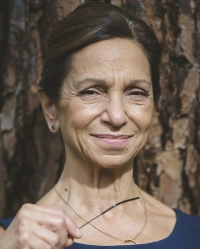
Cosima (Tatiana) Baldari graduated at the University of Rome La Sapienza in 1976. She trained as an EMBO postdoc at EMBL (Heidelberg) in Vincent Pirrotta's lab, working on differential gene expression during Drosophila development, and then as an associate researcher at the University of Heidelberg in Hermann Bujard's lab, where she gontributed to the generation of the first expression vectors. She was recruited as staff scientist at the University of Rome La Sapienza and returned to EMBL for a sabbatical year in Gianni Cesareni's lab, where she pursued her work on the design of new expression vectors. In 1985 she moved to the University of Siena, where she set up her own lab. She became Full Professor of Molecular Biology in 2000 and Emeritus Professor in 2025. For the past four decades she has applied her expertise in molecular biology to the study of immune cell activation, focusing on signal transduction and on the mechanisms of vesicular trafficking that regulate immune synapse assembly in physiological and pathological conditions, such as leukemias and primary immunodeficiency disorders. Her most recent research, funded by an ERC Synergy grant, investigates a new mechanism of target cell killing by cytotoxic T cells and its potential therapeutic translation. She has founded and organized the highly successful "Antigen receptor signaling" series of EMBO meetings.
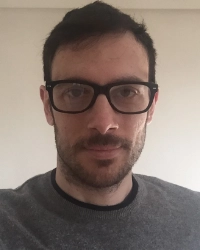
Roberto Bellelli, MD, PhD is a Senior Lecturer and Group Leader at the Barts Cancer Institute, Queen Mary University of London, and a member of the CRUK City of London Centre. His research focuses on the molecular mechanisms that safeguard DNA replication and genome stability, and how their dysfunction drives cancer development and therapeutic vulnerability.
Dr. Bellelli trained as a physician and earned his PhD in Molecular Oncology and Endocrinology from the University of Naples Federico II. He conducted postdoctoral research at the Francis Crick Institute in London in the laboratory of Dr. Simon Boulton. His work has contributed fundamental insights into the function and regulation of DNA Polymerase Epsilon, replisome stability, and replication-associated chromatin regulation in mammalian cells.
Dr. Bellelli’s research has been published in leading international journals including Nature Communications, Molecular Cell and Cell Reports. He has received competitive funding from the MRC, the Academy of Medical Sciences, the Royal Society and CRUK, including an MRC New Investigator Research Grant. He is a Fellow of the Higher Education Academy and is actively engaged in undergraduate and postgraduate teaching, mentoring, and academic leadership at QMUL.
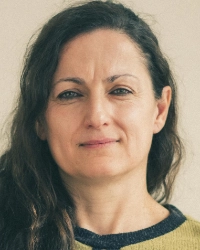
Dr Sandra Blanco is group leader at the Epitranscriptomics and Cancer Lab, in the Cancer Research Centre (National Council Research and University of Salamanca) and associate researcher at the Biomedicine Research Institute of Salamanca (Spain). The IP’s research has focused since her postdoc in deciphering the role of RNA modifications (epitranscriptome) in stem cell biology, homeostasis and disease. Throughout her training at the Stem Cell Institute, Cambridge University, she became expert in stem cell biology, pre-clinical models, epitranscriptomics, cancer, immunology, the development of novel tools to determine RNA modifications genome-wide. In October 2018, she joined the Cancer Research Centre as CSIC Scientist. Her research has demonstrated how the epitranscriptome, in particular methylation of tRNAs, regulate essential functions for stem cell maintenance and differentiation, migration and survival to stress in humans and mice. Her research has also established that mutations or aberrant expression of the writers of tRNAs can lead to neurodevelopment diseases and cancer. Her findings have established that manipulation (inhibition) of the enzymes that regulate tRNA modifications is a potent and promising strategy to eliminate cancer stem cells or to modulate the tumour immune microenvironment.
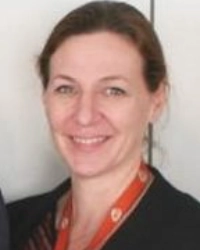
Dr Aga Gambus is a Professor in DNA metabolism at the Departmant of Cancer and Genomic Sciences, University of Birmingham. Her research has made internationally recognized contributions to understanding DNA replication, particularly the mechanism of replisome disassembly during replication termination. Aga's laboratory pioneered the discovery that replisome disassembly is driven by ubiquitylation of the replicative helicase and its extraction by p97 segregase. Her team identified CUL2-LRR1 and TRAIP as key ubiquitin ligases regulating this process and recently characterized DONSON as a novel replication initiation factor using biochemical and cryo-EM approaches. Her work has advanced understanding of replisome organization, assembly, and the critical role of ubiquitin signalling in replication termination. She has published 29 papers with over 3000 citations and holds prestigious fellowships including the Lister Institute Fellowship. Beyond research, Aga is deeply committed to training future scientists, equality and diversity initiatives, and public engagement. She serves on multiple grant panels including BBSRC, Wellcome Trust, and UK Future Leaders Fellowship, and is a Director of Fellowship Academy at College of Medicine and Health.
Maite Huarte, current Director of the DNA and RNA Medicine Division at CIMA, Univ. of Navarra, Spain, earned her PhD at Autonomous Univ. of Madrid, focusing on the influenza virus interaction with the infected cell. During her postdoctoral tenure at Harvard Medical School, she identified novel histone demethylase enzymes, uncovering their impact on chromatin and cell identity. Later, at the Broad Institute of Harvard and MIT, she pioneered research on long noncoding RNAs (lncRNAs) in gene regulation. Since 2011, her group explores the contribution of lncRNAs to gene regulatory mechanisms, revealing their pivotal roles in cancer pathways such as p53 and their influence on chromatin and cell homeostasis. In recent years, they have explored the noncoding functions of RNA in the regulation of DNA replication, revealing RNA significance in preserving genomic stability.
Luigi Naldini, M.D., Ph.D., is Professor of Cell and Tissue Biology and of Gene and Cell Therapy at the San Raffaele University School of Medicine and Scientific Director of the San Raffaele Telethon Institute for Gene Therapy (Milan, Italy). He has received his medical degree from the University of Turin (Italy) and his PhD from the University “La Sapienza” of Rome (Italy). For the past 30 years he has pioneered the development and applications of lentiviral vectors for gene therapy, which have become one of the most widely used tools in biomedical research and are providing a long-sought hope of cures for several otherwise deadly human diseases. Throughout this time, he has continued to investigate strategies to overcome the major hurdles to safe and effective gene therapy, bringing about innovative solutions that are not only being translated into new therapeutic strategies for genetic diseases and cancer, but have also allowed novel insights into hematopoietic stem cell function and tumor angiogenesis. He also contributed to pioneer and advance the use of artificial nucleases for targeted genome editing in cell and gene therapy. He has published >350 scientific papers. SCOPUS Author h-index: 114.
Member of the European Molecular Biology Organization (EMBO), has been President of the European Society of Gene and Cell Therapy (ESGCT), appointed as expert on the “Human Gene Editing Study” of the US National Academies of Sciences and of Medicine, and on the Italian National Committee for Biosafety, Biotechnology and Life Sciences. He was awarded the Outstanding Achievement Award from the American Society of Gene and Cell Therapy (ASGCT) in 2014 and from ESGCT in 2015, an Honorary doctorate from the Vrije University, Brussel, in 2015, the Jimenez Diaz Prize in 2016, the Beutler Prize from the American Society of Hematology (ASH) in 2017, the 2019 Jeantet-Collen Prize for Translational Medicine and the Honorary Doctor of Science degree from the Icahn School of Medicine at Mount Sinai, in 2025.
He was nominated “Grande Ufficiale dell’Ordine Al Merito della Repubblica Italiana”, one of the highest-ranking honor in Italy, and elected member of “Accademia dei Lincei”, the oldest and most prestigious national academic society. He is also co-founder of three innovative biotech start-up companies: Genenta (listed on Nasdaq), Epsilen Bio (now acquired by nChroma Bio) and Genespire.

I obtained my M.Sc. and Ph.D. from the Scuola Normale Superiore di Pisa, Italy, and subsequently carried out postdoctoral research at the Gurdon Institute, University of Cambridge (UK). Since 2020, I have been an independent researcher at the Istituto Italiano di Tecnologia, Italy, where my work focuses on nervous system development and regeneration.
My research combines developmental biology with functional genomics, with a strong emphasis on second- and third-generation sequencing approaches applied to non-canonical model organisms. In particular, my laboratory leverages long-read sequencing technologies to uncover the molecular and transcriptional mechanisms underlying neurodevelopmental processes relevant to both health and environmental biology.
My scientific interests include advancing developmental, evolutionary, and conservation biology through third-generation genomics, and elucidating the transcriptional basis of neural regeneration.
He trained at the Howard Hughes Medical Institute at the University of California, Los Angeles (UCLA) with Eddy De Robertis in the field of embryology. He is currently Professor of Molecular Biology. His research focuses on how cells interact with one another and with their environment to maintain their shape and function, thereby building complex tissue ecosystems, and on how these interactions become corrupted during tumorigenesis. He discovered key mechanisms by which cells communicate through physical and mechanical signals.
Dr. Alessandro Prigione is a tenured Associate Professor of Pediatric Metabolic Medicine in the Department of General Pediatrics at Heinrich Heine University in Düsseldorf, Germany. He received a MD from the University of Milan Italy in 2002 and a PhD from the San Raffaele University in Italy in 2008. His lab employs induced pluripotent stem cells (iPSCs) and derived neurons and brain organoids for disease modeling and drug discovery of rare mitochondrial neurological disorders. Dr. Prigione is a member of the scientific council of AFM Telethon, of the scientific committee of Mitocon, International Mito Patients, and Cure Mito, and the current Editor-in-Chief of the journal Stem Cell Research. He is the coordinator of international consortia focusing on the use of iPSCs for advancing mitochondrial disease treatments. In 2024, he received that Eva Luise Köhler Research Award for Rare Diseases.
Julian Sale is Joint Head of the Division of Protein and Nucleic Acid Chemistry. His research group uses genetic and bioinformatic approaches to understand the origins of mutagenesis and the evolution and stability of the human genome and epigenome. He also co-leads the Synthetic Human Genome Project, SynHG, a Wellcome Trust-funded collaborative initiative aimed at developing the foundational and scalable technologies needed to synthesise human genomes.
Julian trained in medicine and gained membership of the Royal College of Physicians before joining LMB as an MRC Clinical Training Fellow in 1996, working with Michael Neuberger. While holding an MRC Clinician Scientist Fellowship, he became a Group Leader in 2001. He is a Fellow and Francis Crick Lecturer at Gonville & Caius College, Cambridge, an Associate Faculty Member of the Wellcome Trust Sanger Institute and Senior Executive Editor of Nucleic Acids Research.