Società Italiana di Biofisica e Biologia Molecolare
SIBBM 2026 • Frontiers in Molecular Biology
Molecular Mechanisms of Cell response to Biological Sensing
Siena, Italy · 16-18 June 2026
Società Italiana di Biofisica e Biologia Molecolare
SIBBM 2026 • Frontiers in Molecular Biology
Molecular Mechanisms of Cell response to Biological Sensing
Siena, Italy · 16-18 June 2026
Reconnect, Rebuild, Restart
Dear Colleagues,
We are thrilled to invite you to the second edition of the Early Career SIBBM (EC-SIBBM) pre-meeting, scheduled for June 15-16 in Siena, Italy.
EC-SIBBM aims to bring together early-career researchers, providing a supportive environment for the progression of their scientific journeys. The goal is to foster communication and networking skills within the scientific community while offering a friendly and stimulating platform for participants to showcase their research.
The event will serve as a springboard for discussions on growth opportunities and provide guidance for navigating both academic and industry research career paths.
Key Information:
Federico Galvagni
(University of Siena)
Alessandro Fiorenzano
(University of Naples Federico II)
Daniela Di Girolamo
(University of Naples Federico II)
Simone Detassis
(University of Trento)
Michela Alessandra Denti
(University of Trento)
Monday, 15 June |
|
|---|---|
| 12:30-14:20 | Registration and Lunch |
| 14:20-14:30 | Opening |
|
Session I – Experimenting with Your Career: Academia, Industry, Startups, Core Facilities...
Chair: Daniela Di Girolamo |
|
| 14:30-14:45 | Ugo Chianese (University of Campania L. Vanvitelli) |
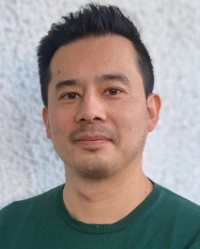
| 14:45-15:00 | Jack Chen (University of Siena) |
| 15:00-15:15 | Isabel Delany (GSK) |
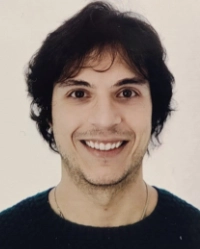
| 15:15-15:30 | Edoardo Sozzi (ETH Zurich) |
| 15:30-15:45 | Anna Pepe (Institut Pasteur) |
| 15:45-16:00 |
Donatella Capone (NAnA ETS) Why patient partnerships matter in rare disease research |
|
Session II – Enhancing Awareness of Oral Presentations Chair: Alessandro Fiorenzano |
|
| 16:00-16:45 |
Michael Jewett (Editor at BioStock Company, Sweden) Bringing science to life: a guide for more effective communication |
| 16:45-17:15 | Coffee break |
| 17:15-18:45 | DataBlitz (I) |
Tuesday, 16 June |
|
|---|---|
| 9:00-10:00 | Lecture Rino Rappuoli (Fondazione Biotecnopolo di Siena) |
| 10:00-10:30 | Coffee break |
| 10:30-12:00 | DataBlitz (II) |
Dr Jack Chen is an organic supramolecular chemist whose research explores how molecules self-organise into dynamic and functional architectures. He is affiliated with the School of Science at Auckland University of Technology (AUT), New Zealand and with the Department of Biotechnology, Chemistry and Pharmacy at the University of Siena, where he leads research groups focused on cooperative molecular systems that respond to external stimuli such as chemical fuels and light. These systems exhibit emergent behaviours – including adaptability and responsiveness – inspired by biological complexity.
Jack completed his PhD in Chemistry at the University of Auckland in 2010 under the supervision of Dame Professor Margaret Brimble FRS. He then undertook postdoctoral research with Professor Varinder Aggarwal FRS at the University of Bristol (2011–2014), followed by a second postdoctoral stint in Padua, Italy, where he was introduced to supramolecular chemistry in the group of Professor Leonard Prins (2014–2016). Since 2016, Jack has held a faculty position at AUT, where he established his independent research group. He joined the Faculty of the University of Siena in 2020.
Ugo Chianese, PhD, is Assistant Professor (RTDA) in General Pathology at the University of Campania “Luigi Vanvitelli”, Department of Precision Medicine. He obtained his PhD in Translational Medicine with honors, focusing on epigenetic mechanisms in prostate cancer. His research centers on the interplay between metabolism and epigenetics in cancer, with particular emphasis on metabolic heterogeneity, single-cell and spatial transcriptomics, and multi-omics integration for precision oncology. He has authored over 20 peer-reviewed publications (H-index 11) and has received national and international awards, including the Francesca Martini Prize for Best Oral Presentation at SIBBM 2025. He is actively involved in PhD training and international collaborations. He is co-founder of CIRCE srl, an academic oncology spin-off developing innovative biomarker-based diagnostic strategies to improve early detection and patient stratification in cancer, bridging translational research and clinical application.
Isabel Delany received her undergraduate and doctorate degrees in Molecular Microbiology from Trinity College Dublin and University College Cork, Ireland. She received a Transfer and Mobility Research grant from the EU and came to Chiron Vaccines in Siena in 1998 for her postdoctoral research and has stayed in industry research for her career. She is now a Senior Director and has over 25 years of experience in vaccines R&D. Her major contributions have been in the characterisation of bacterial virulence factors, the identification of vaccine antigens and monoclonal antibodies at the preclinical level of R&D for new vaccine formulations against bacterial pathogens, and to the design and development of technology platforms for engineering vaccine components. She is currently Head of Molecular Biology and Bacteriology in the Bacterial Scientific area of GSK Vaccines and Infectious Diseases in Siena. She is also the Scientific Director of the PhD and PostDoc program of the Sciences Academy in GSK Italy.
Michael Jewett holds a PhD in Biomedicine from Lund University in Sweden. During his doctoral studies, he discovered a passion for scientific communication, recognizing his ability to translate complex biomedical concepts into clear and accessible information. He believes that effective storytelling is essential in making science engaging and impactful, helping bridge the gap between scientific research and industry, as well as the general public. This passion led him to a role as editor and studio reporter for BioStock, a digital media company based in Lund, Sweden, delivering news and analyses for industry professionals and investors in the biopharma and medtech sectors of the Nordic region. Recently, Michael transitioned to the role of medical writer for the global tech company, Globant, in Copenhagen, Denmark.
I am a researcher in the group of Chiara Zurzolo at the Institut Pasteur, where I investigate the cellular and structural mechanisms underlying the spread of pathogens and neurodegeneration. I am specialized in cryo-correlative light and electron microscopy (cryo-CLEM) and cryo-electron tomography to study intercellular communication at high resolution.
My early work focused on the propagation of toxic protein aggregates such as α-synuclein and tau in neurodegenerative diseases, contributing to the characterization of tunneling nanotubes (TNTs) as key mediators of cell-to-cell transfer.
During the COVID-19 pandemic, I expanded my research to examine how SARS-CoV-2 exploits TNTs to spread directly between cells, including neurons, revealing a potential mechanism for viral neuroinvasion and immune evasion.
Currently, I investigate whether SARS-CoV-2 infection can trigger or accelerate neurodegenerative processes. Using human brain organoids and advanced imaging approaches, my research aims to uncover the mechanistic links between viral infection, protein aggregation, and neuronal dysfunction.
Edoardo Sozzi is a postdoctoral researcher in the Quantitative Developmental Biology Lab led by Prof. Barbara Treutlein at ETH Zurich, where he investigates the extrinsic mechanisms that shape human neuron specification. His research bridges developmental neurobiology, stem cell biology, and single-cell genomics to understand how interactions between diverse neuronal subtypes influence cellular identity, maturation, and connectivity.
Edoardo received his Bachelor's degree in Biotechnology and Master's in Neuroscience from the University of Pisa and the Scuola Normale Superiore. During his PhD in Malin Parmar's lab at Lund University, he developed human pluripotent stem cell-derived models of midbrain development, combining 3D brain organoids, in vivo transplantation, and single-cell RNA sequencing to dissect dopaminergic neuron specification at single-cell resolution and advance cell replacement therapies for Parkinson's disease.
Building on this foundation, Edoardo is now combining single cell genomics and functional approaches to recapitulate the complexity of human brain development in vitro, with the goal of uncovering how neuronal networks are established. His work aims to improve current systems for disease modeling and cell replacement therapies for neurodegenerative disorders, including Parkinson's disease, dementia, and Huntington's disease.
An interpreter and translator of English and German, she holds a Bachelor’s degree in Languages and a Master’s degree in Communication Sciences (110/110) from Roma Tre University. She has completed postgraduate training in Patient Advocacy Management (Università Cattolica del Sacro Cuore, 2023/24), Medicines Research & Development (EURORDIS, 2024), and EU Project Design (Sapienza University of Rome).
In 2016, she founded NAnA ETS, a registered charity supporting research in adolescent leukemia and the education of disadvantaged students, where she serves as President. Since 2009, she has taught in the Master’s program in Languages and Tourism Management at Roma Tre University.
Her experience spans interpreting, translation, teaching, and event organization, with collaborations including the Italian National Research Council, the Stazione Zoologica Anton Dohrn, and the Telethon Institute of Genetics and Medicine. She also lived in Canada, where she collaborated with Carleton University in Ottawa.
She has served on school boards in Italy and internationally, including on the Board of Directors of the Swiss School of Rome. On November 13, 2024, she was awarded the Romei Prize. Since July 2025, she has been a member of the Committee for Advanced Therapies at the European Medicines Agency.